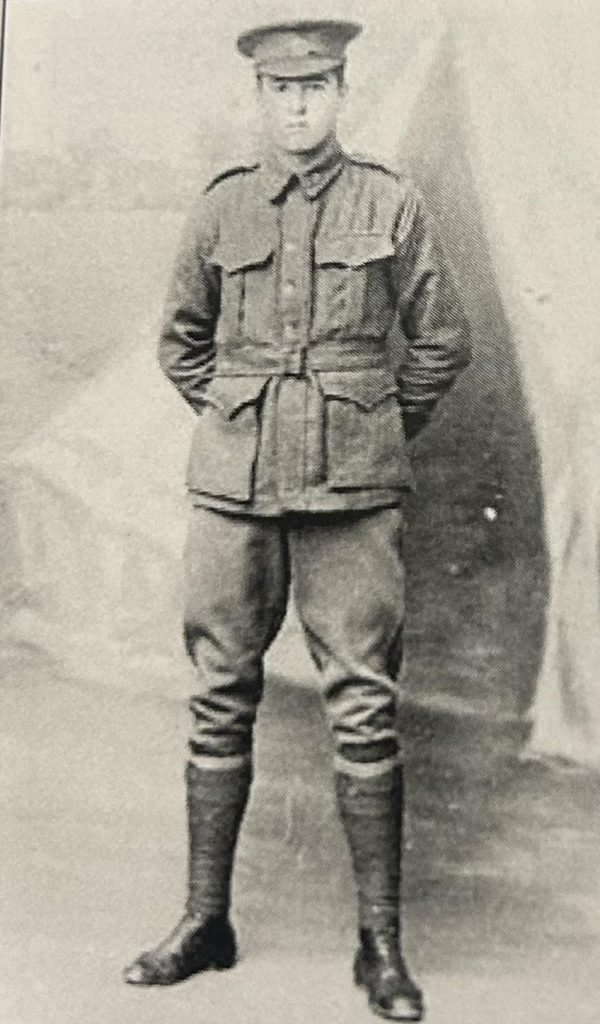

Renton, CPL Alexander Murray, MM

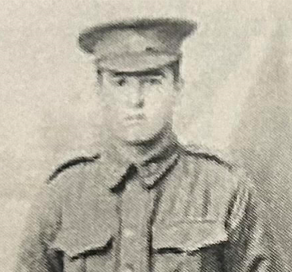
Corporal Alexander Murray Renton (1899-1918), carter and soldier, was born in Broken Hill, NSW, son of William and Fannie Renton. He had at least one brother. His family moved to Palmyra and settled on Carrington Street. William began work locally as a carter and continued to live with his family.
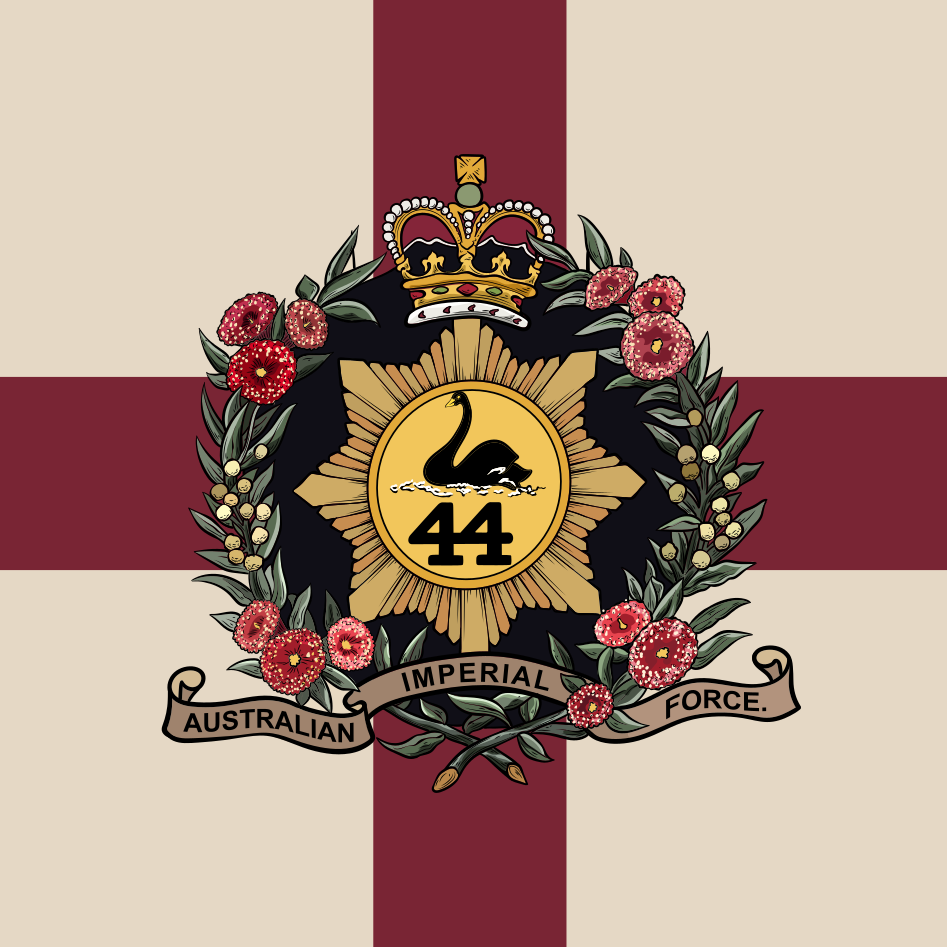
Renton enlisted into the Australian Imperial Force on the 3rd of April 1916 at the age of 18 and was posted to C Company, 44th Battalion. His brother, William, was already at the front lines, serving with the 32nd Battalion. Private Renton embarked for overseas service in June 1916 and arrived at the front line of the Western Front in November 1916. Upon arriving at the front, he heard the news that his brother had been Killed in Action.
On the 23rd of June 1917, during the Battle of Messines, Renton was wounded for the first time and wrote:
“When we were halfway between the front line and the supports, I thought a horse had kicked me. I looked down and saw that my pants leg was covered in blood. So, I thought to myself… this is lucky, first night in. I got back to the supports as quick as I could which I can tell you was not very fast. When I got there, I had to wait five hours till Fritz’s barrage stopped. Then I started to hobble down the trench to the dressing station. From there I was carried out on a stretcher a distance of about three miles. So, you can see a stretcher-bearer’s job is no good.”
He spent 10 months recovering in England. Two weeks after returning to the trenches in May 1918, he was wounded for a second time from by being burnt in the neck during a German gas attack. He returned back to the front a fortnight later.
Private Renton continued to fight in the major battles of 1918. He was promoted to Corporal in September 1918 in preparation for the 44th Battalion’s final mission, to breach the Hindenburg Line. His official history reads:
“On the 29th of September 1918, during operations South of Bony, Corporal Renton’s platoon came under intense machine gun fire and suffered several casualties among whom was his Platoon Sergeant. Although the ground was being swept by enemy machine gun fire Corporal Renton rushed forward and carried the wounded Non-Commissioned Officer to comparative safety. On the 30th of September 1918 when the enemy made a determined attempt to bomb his way down the trench, Corporal Renton immediately rushed out and from a very exposed position opened fire on the approaching enemy. Renton was severely wounded but remained at his post until the enemy attack was effectively dealt with.”
Additionally, M J Rodgers wrote:
“Renton was firing with his rifle at the Germans who were throwing bombs, when he was shot through the head by a sniper, the bullet entered about an inch above the right eye and came out the back of his head. I pulled him down off the parapet and tried to stop the bleeding, but it only choked him, so I let it go, as life was vanishing fast. The stretcher-bearers came but regarded the case as finished.”
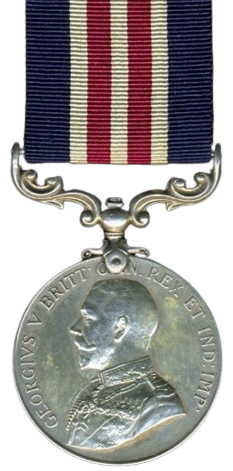
He also suffered a blast wound to the chest from a bomb. For his actions, Corporal Renton was awarded the Military Medal, the third highest award for gallantry in action. Unfortunately, Corporal Renton did not survive his third wounding and two days later on the 1st of October, he died of his wounds at the age of 19. His mother and father had lost both of their sons.
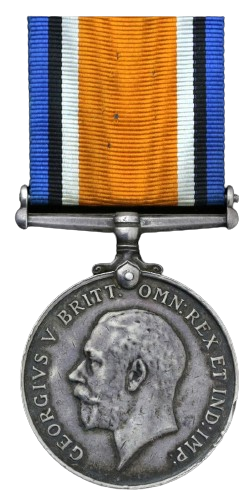
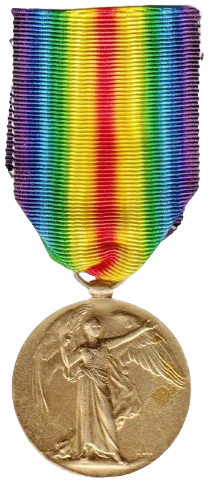
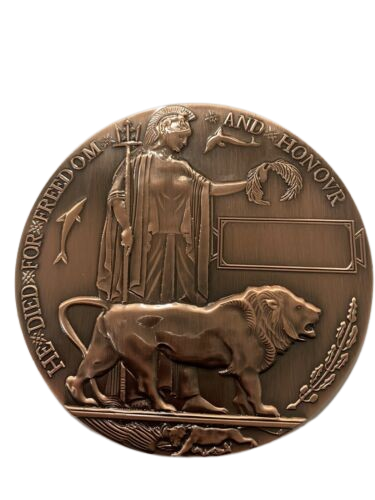
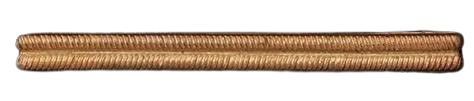
During the war Corporal Renton had fought in 8 battles and spent 329 days in the trenches. He was awarded the Military Medal, British War Medal, Victory Medal, Death Plaque, 3 Wound Stripes, Active Service Badge, 1 Good Conduct Stripe and 2 Long Service Stripes.
AWL in November 1916 and forfeited 1 days’ pay.