
Abbey, PTE Albert Vivian
Private Albert Vivian Abbey (1875-1935), labourer, sportsman, mail/coach driver and soldier, was born in the western part of Busselton (then known as Newtown), South West, W.A., son of David and Joanna Abbey. At the age of nine he was kicked by a horse as he was driving a group of them forward in the Vasse, suffering a “nasty cut” to the eye.
He was an active member of the Vasse community taking part in community sports and a dance trip to Eucla, Goldfields, W.A. He also helped discover a cave at Quinninup Lake in 1901. He was also a member of the Sussex Agricultural and Pastoral Society.
Abbey was an active sportsman. Doing Bicycle Races in 1900, Cricket (at least 1904-1922, nicknamed Nugget). MC of community sport 1909. In 1911 he was fined 5 shillings for using insulting language against an umpire. In 1912, he suffered an injury to his face whilst playing cricket.
In 1903, Abbey was working as a mail driver in Newtown. He briefly lived at Twenty-Four Mile Camp in 1906, working as a coach driver. He was injured in the face by a falling tree in 1909 whilst timbering near Margaret River. The injuries were bad enough that he had to stay at Busselton Hospital for some time.
By 1910, Abbey was residing in Yallingup, South West. W.A. and he actively played for the local Cricket team. His brothers remained in Newtown. Abbey returned to Newtown and worked as a labourer throughout the 1910s.
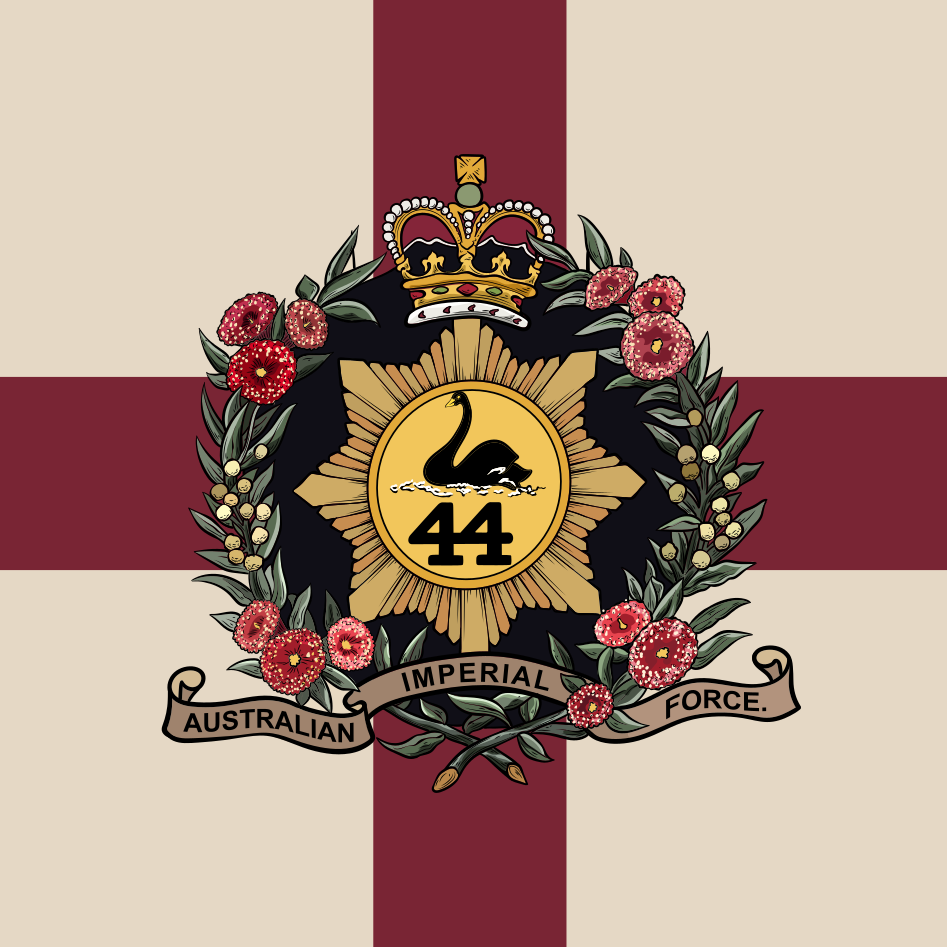
Albert Abbey enlisted into the Australian Imperial Force on the 30th March 1916 at the fairly old age of 40. After completing his basic training, Abbey was given leave in Busselton where he was given a farewell evening by the locals. He was briefly assigned to be a Lance Corporal but this did not eventuate.
Throughout 1916-1918, Abbey was constantly sick, suffering from Rheumatism and Bronchitis. It was so bad that he only spent less than four months on the front and well over a year being sick. After spraining his ankle, he was discharged and returned to Australia in September 1918. Despite his brief frontline service, Abbey was present for the hellish fighting at Broodseinde & Passchendaele.
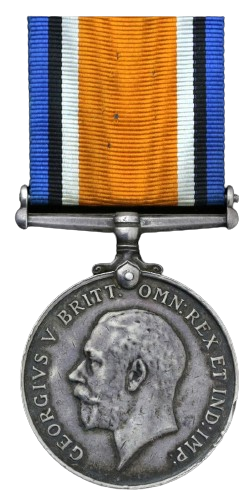
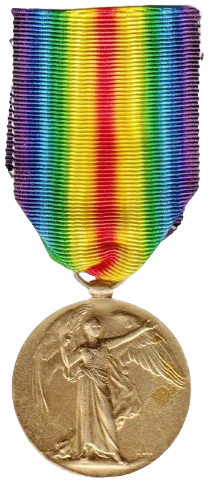
He finally arrived in Busselton on the 15th November 1918. His medals were presented to him on Anzac Day 1922 in Busselton.
After the war, Abbey became an active member of the local RSL. He was in charge of the yearly RSL wood-chopping event. His older brother, John died from an extended illness in 1922. Albert was the chief mourner. Less than a month later, Albert’s other brother David, fell in a well and died.
With the introduction of the Group Settlement Scheme, Abbey became the foreman of Group Settlement No. 13 (Cowaramup, South West, W.A.). It seemed he had a falling out with the group and left within a year. He then became a “bridge carpenter”. Abbey spent the rest of his life working as a labourer in Newtown.
Albert Abbey died on the 31st October 1935 at the age of 59/60 at the Busselton Hospital. The Busselton RSL was in attendance and played the last post. Many people were in attendance. The funeral was conducted at St. Joseph’s Church and he was buried in the Roman Catholic portion of the Busselton Cemetery.
The suburb of Newtown, which he lived in is now known as “Abbey”, named after his family.
Abbey was an Australian soldier who was an expert in close combat,
He was physically and mentally tough, compassionate and courageous,
He led by example, he strove to take the initiative,
He was committed to learning and working for the team,
He believed in trust, loyalty and respect for his country, his mates and the Army,
The rising sun was his badge of honour,
He is an Australian soldier, Always!
Record completed by Luca Muir Anderson
Sources
National Archives of Australia – 3016262
Bunbury Herald – 2/05/1885 P.3 & 13/08/1897 P.3, 6/11/1900 P.3, 19/01/1901 P.3, 18/03/1909 P.3, 29/01/1914 P.5, 8/06/1916 P.3
The Southwestern Times – 29/10/1909 P.3
Southern Times – 29/09/1910 P.4
The South-Western News, 2/06/1911 P.3, 15/11/1918 P.3, 29/04/1921 P.3, 3/03/1922 P.3, 28/04/1922 P.5, 9/06/1922 P.3, 30/06/1922 P.3, 14/07/1922 P.3, 18/05/1923 P.1
Sunday Times – 2/08/1936 P. 18
Electoral Rolls of Australia