
McIlwaine, PTE Thomas Richard
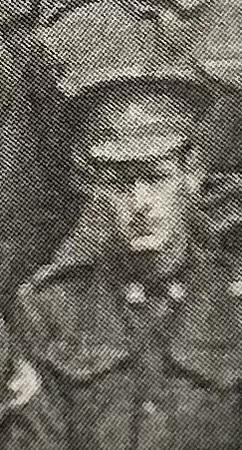
Thomas Richard McIlwaine (1889-1967), storeman, labourer and soldier, was born in Letterkenny, Ireland, to Henry and Catherine McIlwaine. His family were all from Donegal County and his father had been a Sergeant in the Royal Artillery.
Thomas moved to Australia and settled near Palmyra. At the outbreak of the first world war, he was working as a storeman.
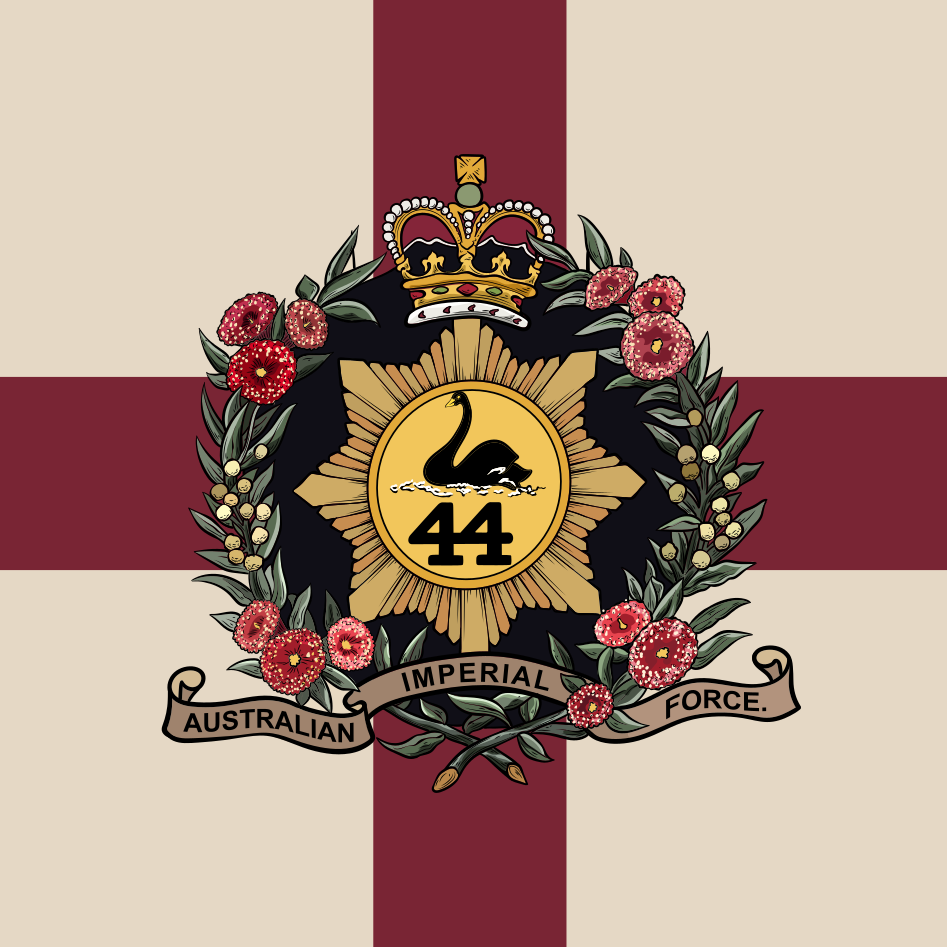
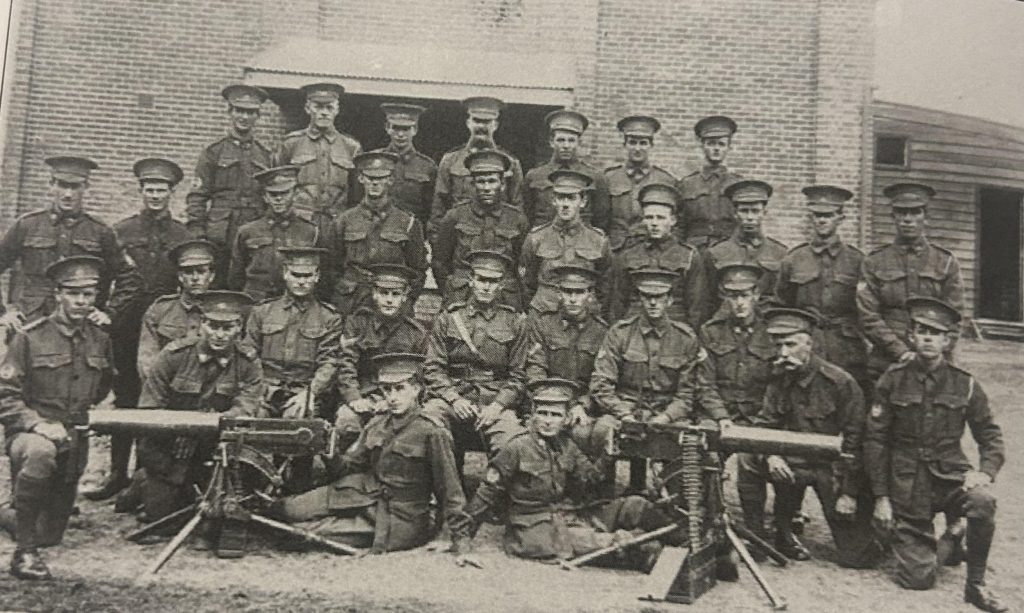
Thomas enlisted into the Australian Imperial Force on the 6th of January 1916 at the age of 26 and was posted to the 44th Battalion Machine Gun Section. He embarked for overseas service in June 1916 and arrived at the Western Front in November 1916.
Private McIlwaine served throughout 1917 and 1918 but was constantly sick, going to hospital no less than 4 times and spending in total over 17 months recovering.
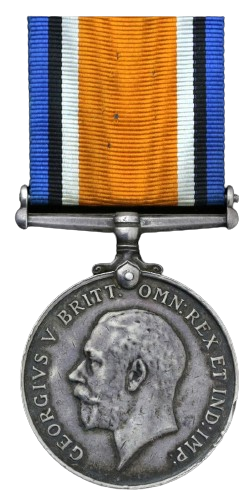
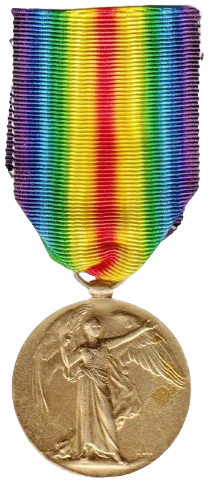
During the war, Private McIlwaine fought in 8 battles and spent around 120 days in the trenches. He was awarded the British War Medal, Victory Medal, Active Service Badge, 1 Good Conduct Stripe and 2 Long Service Stripes.
After the war, he returned to Western Australia and married Ethel. Together, they moved to Fremantle and Thomas worked as a labourer. He served Australia in World War Two as a general orderly for a brief five-month period in 1941.
Thomas lived until 1967 when he died at the age of 77 and was buried at Karrakatta Cemetery.
*Reprimanded in 1917. Involuntarily discharged in September 1941, most likely because of him being caught drunk on duty. However, this was changed to an honourable discharge in 1946.
Record worked on by: Luca Muir Anderson.
Record completed by: Luca Muir Anderson.