
A’Beckett, MAJ Malwyn Hayley, DSO, MiD
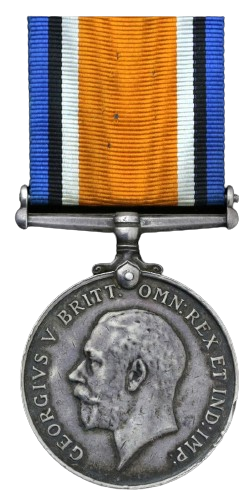
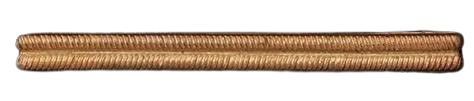
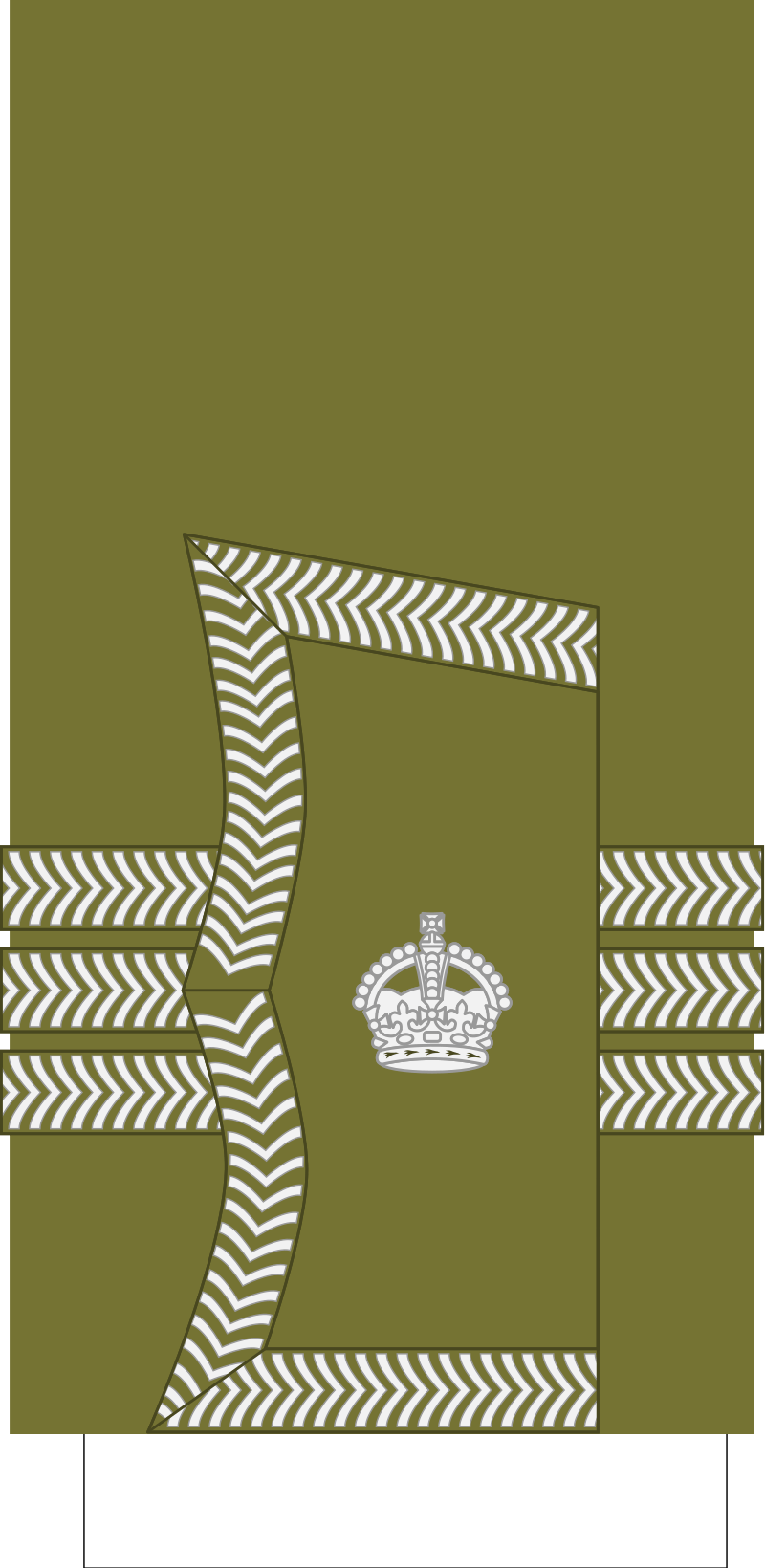
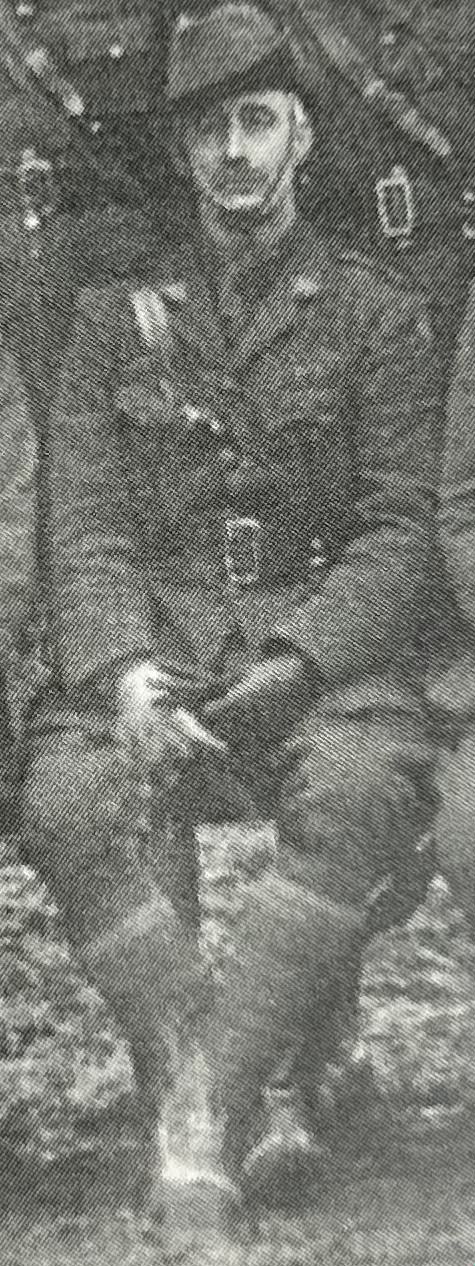
Major Malwyn Hayley A’Beckett, DSO, MID (1871-1959), inventor and officer, was born in Prahran, Victoria, son of Malwyn A’Beckett and Affra A’Beckett. He had 2 brothers and 4 sisters. He requested to make a patent in 1892 for the grating of cheese and bread. He attempted to make another patent in 1897 for an improved tyre for the wheels of velocipedes and other road vehicles.
A’Beckett served in the Militia of the Colony of Victoria for at least 9 ½ years (4 ½ in the Victorian Rangers and 5 in the Victorian Mounted Rifles).
A’Beckett was commissioned as a 2nd Lieutenant into the 10th Australian Light Horse (Victoria*) on the 25th January 1904. He was promoted to Lieutenant in 1905 and then to Captain in 1910. From 1910 onwards, he acted as an area officer and staff officer. In July 1912 the 10th Australian light Horse became the 13th Australian Light Horse. In June 1915 he was transferred to Western Australia.
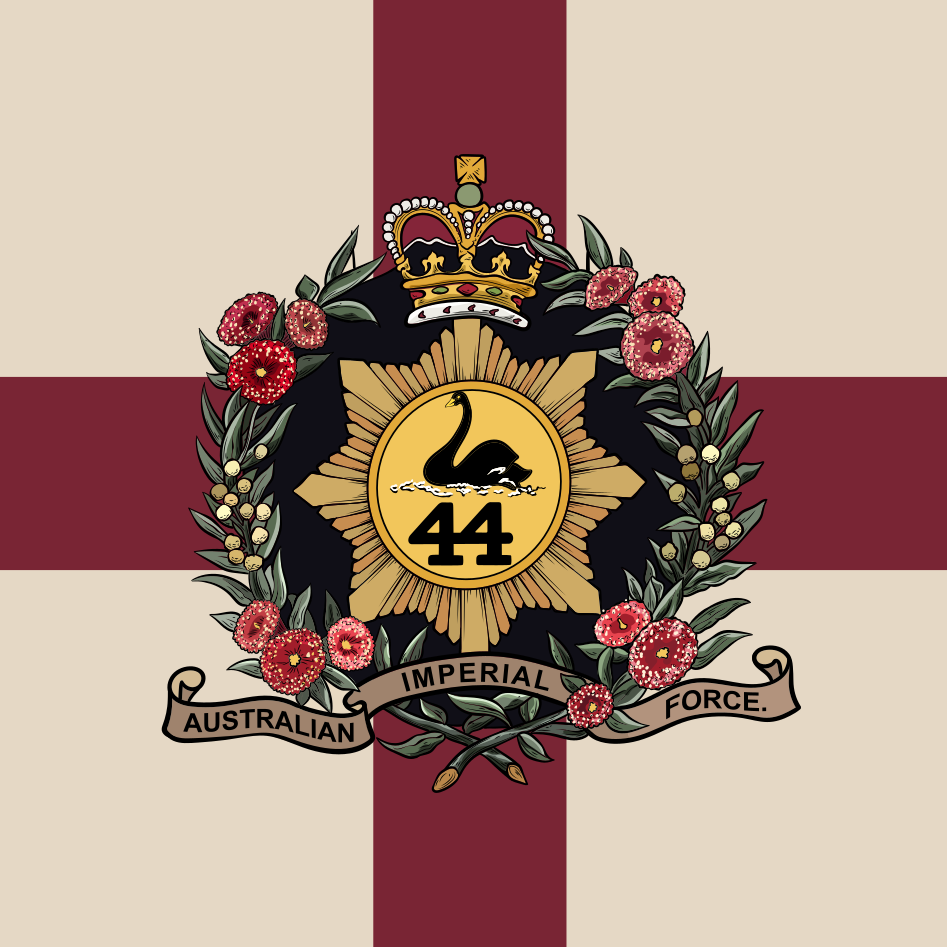
He joined the 44th Battalion as a Captain on the 7th March 1916. He was appointed as Officer Commanding D Company and was promoted to Major on the 30th August 1916. He fought in most of the significant battles of 1917 and was wounded in the Battle of Broodseinde Ridge.
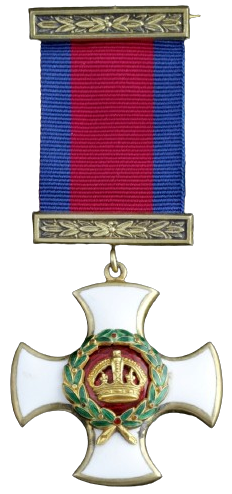
On the 22nd January 1918 he received one of the highest honours for leadership in action, the Distinguished Service Order,
“For Conspicuous gallantry and devotion to duty when in charge of a battalion which relieved the attacking troops. He personally carried out a most valuable reconnaissance under most dangerous conditions, clearing up an obscure situation, and then established a very strong system of posts as a front line of defence. He set a splendid example of courage and resource”.
In April 1918 he was mentioned in the despatches of Field Marshal Sir Douglas Haig. From the 1st June 1918 to the 31st August 1918 he was detached to the Australian Corps Headquarters as the Corps Agricultural Officer. He rejoined the 44th Battalion at the beginning of September 1918 and took part in the final battle, the breaching of the Hindenburg Line. Throughout his service during the war, he had fought in 12 of the battalion’s 15 battles.
After the war he once again became an officer in the reserves in October 1918 and joined the 13th Light Horse Regiment in March 1919. He continued to serve in the reserves in full capacity until at least 1921 and in some capacity until April 1932, thus ending nearly 38 years of service to Australia. His wife, Mary died in 1940. A’Beckett died in on the 10th January 1959 in Bendigo City, Victoria at the age of 87.
*The 10th Light Horse was not a Western Australian designation until 1914. From 1904-1912 it referred to a Victorian unit.
A’Beckett was an Australian soldier who was an expert in close combat,
He was physically and mentally tough, compassionate and courageous,
He led by example, he strove to take the initiative,
He was committed to learning and working for the team,
He believed in trust, loyalty and respect for his country, his mates and the Army,
The rising sun was his badge of honour,
He is an Australian soldier, Always!
Record completed by Luca Muir Anderson