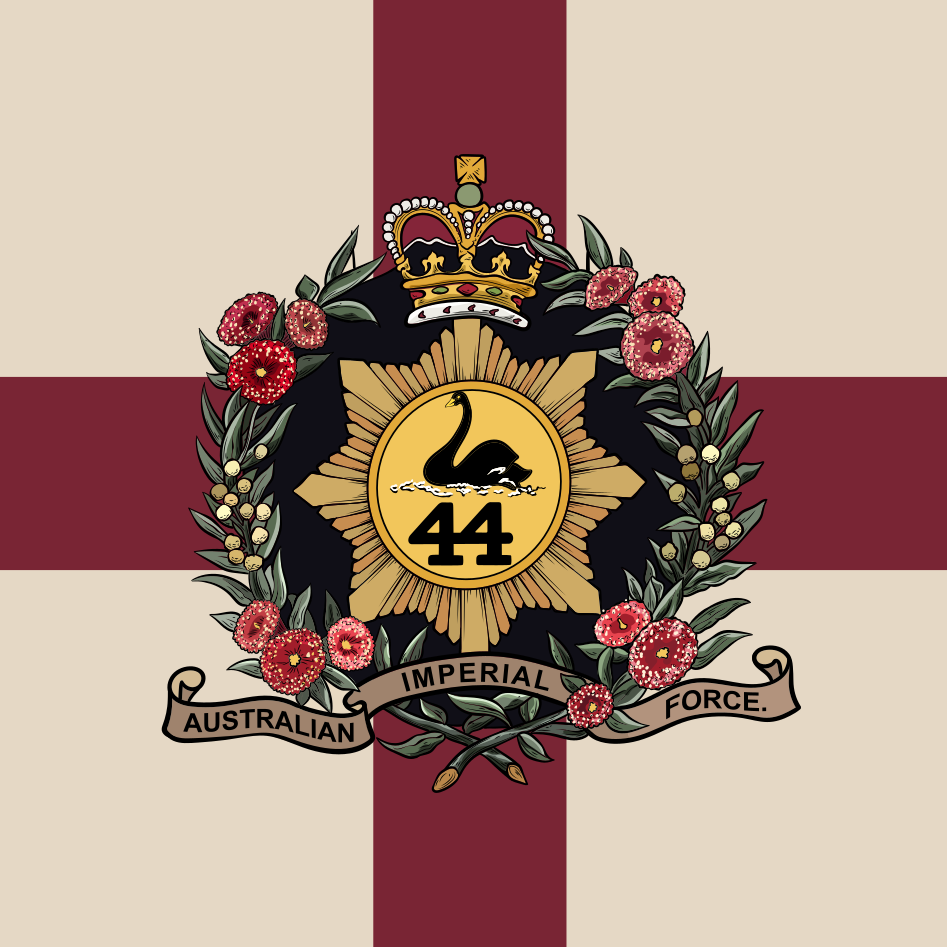

Hunter, PTE Thomas
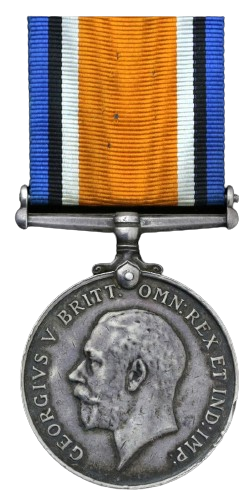
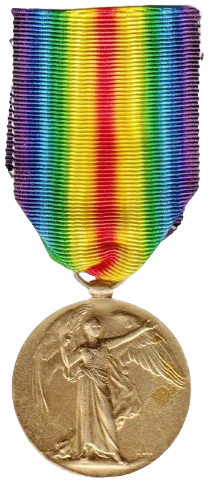
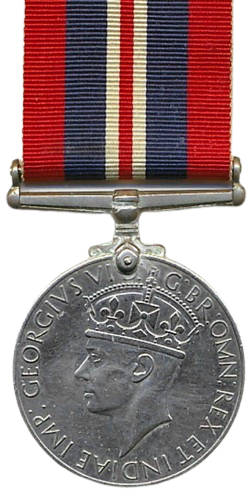
Thomas Hunter (1897-?), machinist, carpenter and soldier was born in Sunderland, England to George Hunter, a bottle maker. The family moved to Western Australia and settled in West Leederville. At the time of enlistment, Thomas was still living with his father. Thomas was very active in his teen years, starting a machinist apprenticeship at the age of 16 and serving as an army reservist with the 38th Battery, Australian Field Artillery
Thomas Hunter enlisted into the Australian Imperial Force on the 18th of January 1916 at the age of just 18 and was posted to B Company, 44th Battalion. He embarked for overseas service in June and arrived at the front lines in December. Upon reaching France, his short service with the 44th Battalion came to an end as he was transferred to the 28th Battalion, another West Australian unit. He served at the front line throughout 1917 until he was shot in the left thigh in October, suffering serious wounds.
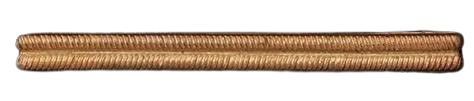
Whilst recovering in hospital, Thomas got in serious trouble as he went AWOL. As such, he was sentenced to 80 days imprisonment and 130 days loss of pay. He returned to the front lines in May 1918 and fought for the rest of the war in countless battles. During the war, Thomas served in the trenches for 429 days. He received the British War Medal, Victory Medal, Wound Stripe, one Good Conduct Stripe and 3 Long Service Stripes.
Upon the conclusion of the war, Thomas was sick for a one and a half months with influenza and gonorrhea. Whilst recovering in hospital he was cared for by 20 year old nurse Florence Clark. They struck up a romantic relationship and married at the Parish Church, St Ignatius the Martyr on the 30th of August 1919.
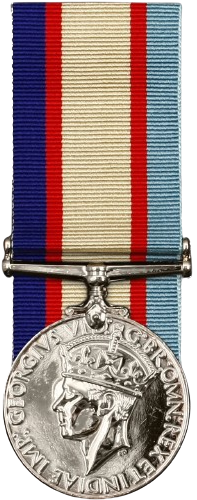
They returned to Australia and lived throughout the interwar period, working as a carpenter and moving to Maylands. With the outbreak of the Second World War, Thomas once again enlisted in order to defend his nation, this time at the age of 42. He served from November 1939 to July 1943, initially as a reservist in the 10th Garrison Battalion. However, with the outbreak of war with Japan at the end of 1941 and the very real danger of an invasion of the homeland, Thomas transitioned to full time service. During his service he was sick for a month and suffered some minor charges due to breaking camp three times. He was awarded the War Medal 1939-1945 and the Australian Service Medal 1939-1945.