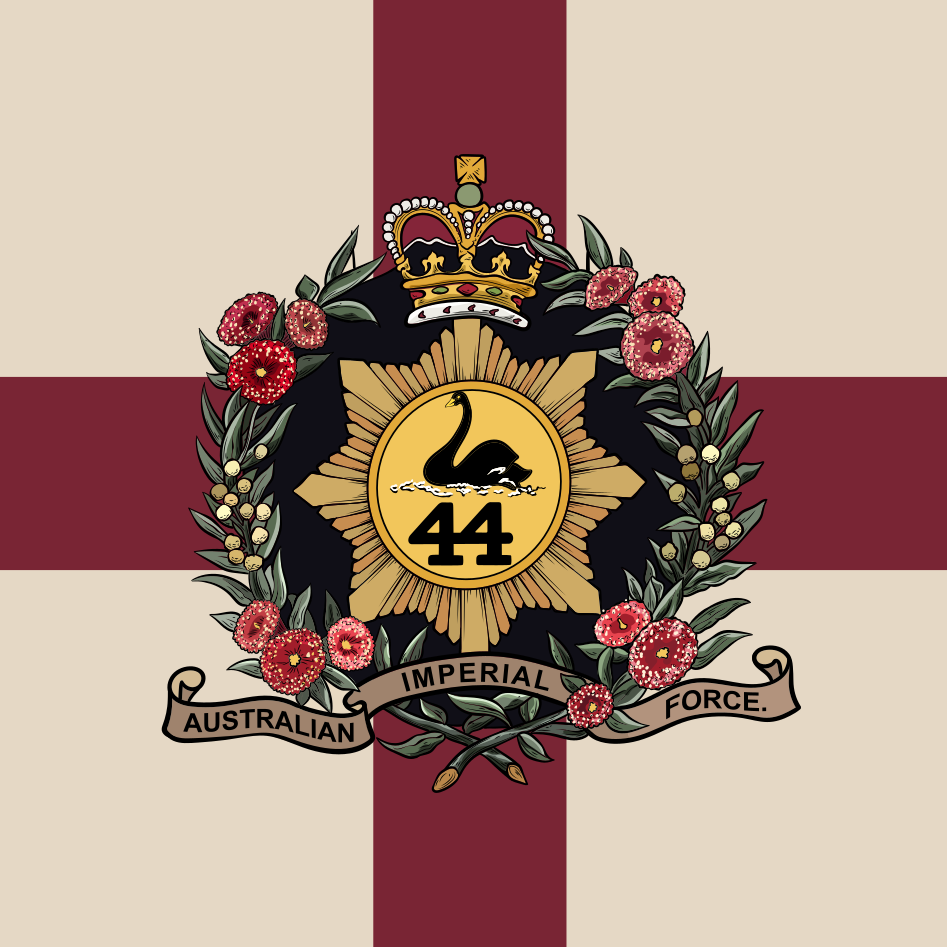

Bull, CPL Charles Ripley
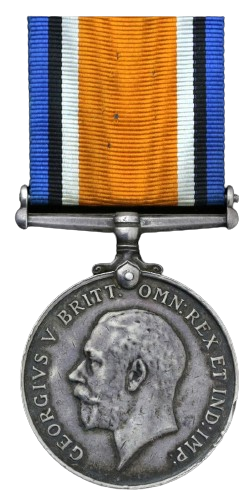
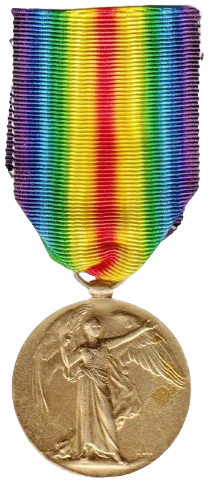

Corporal Charles Ripley Bull (1899-?), teacher and soldier was born in Coolgardie, Goldfields, WA, son of Frederick and Florence Bull. He had two siblings. His father had moved to the Coolgardie region in 1894 but moved with the family to Perth in the early 1900s, establishing a writing firm, “Bull and Hall”. His father was a well-known Supreme Court shorthand writer.
In 1909 his father became sick and depressed, which culminated in the end of his business, a trip to the Goldfields, being admitted to hospital due to a nervous breakdown and then committing suicide with a revolver in a hotel room he had booked in August 1909. Charles would have only been 10 years old. His mother did not remarry, however the family could live off the money their father had made with his business.
Charles studied at Guildford Grammar School where he graduated at the beginning of The Great War. From the age of 14 to 18 he was actively involved in the Australian Army Cadets. In November 1916, at the age of 18, he received permission from his mother to enlist into the Australian Imperial Force, however he was not required for duty until February 1917. Private Bull was posted to the 25th Reinforcements for the 16th Battalion AIF and undertook basic training from February to June 1917, where he was promoted to Lance Corporal, evidently showing his previous cadet experience and great potential in training.
Private Bull embarked for overseas service aboard the A30 Borda on the 29th of June 1917. Upon arriving in England in late August, he reverted to the rank of Private and continued training with his reinforcement until he was transferred to the 44th Battalion AIF on the 10th of December 1917. Private Bull arrived in France on the 4th of December 1917 and marched into the battalion the following week.
Private Bull fought in the German Spring Offensive (March-May 1918) and the Battle of Hamel (Jul 1918), shortly thereafter he was promoted to Lance Corporal in July 1918. He then fought in the Battle of Amiens (August 1918) and the pursuit phase (August-September 1918) of the Hundred Days Offensive during which time he was promoted to Corporal in September 1918. Corporal Bull led his section during the Battle of St. Quentin Canal (September-October 1918), his final engagement of the war.
Corporal Bull left France in February 1919 and returned to Australia via Albany on the 7th of May 1919. One month later he was discharged. Upon returning from the war, Charles returned to Guildford Grammar School as a teacher. At the same time, studied a Bachelor of Arts with two Honours at the University of Western Australia, winning the Sanderson Prize in Philosophy (1920) and the Lady Hackett Prize in Classics (1921), graduating in 1923. Upon graduating, he was appointed as a housemaster at GGS.
At the end of 1923, at the age of 24, Charles Bull married Annie Gardiner. He continued to teach at GGS until 1926. From 1927 to 1933, Charles was a Lieutenant Instructor in the Australian Army Cadets. From this point onwards his history is quite hard to determine, though he was still alive by at least 1945. His mother died in 1944 and was buried alongside her late husband from three decades prior.
13 Aug 1909 – SHORTHAND WRITER’S DEATH – Trove
13 Aug 1909 – STATE NEWS – Trove
25 Feb 1909 – A CASE FROM NATAL, – Trove
Bull Charles Ripley – Guildford Anzacs
29 Apr 1923 – Annual Graduation Ceremony CONFERRING OF DEGREES – Trove
27 Jan 1924 – Family Notices – Trove
17 Apr 1920 – THE UNIVERSITY. – Trove
Record worked on by: Luca Muir Anderson.
Record completed by: Luca Muir Anderson.