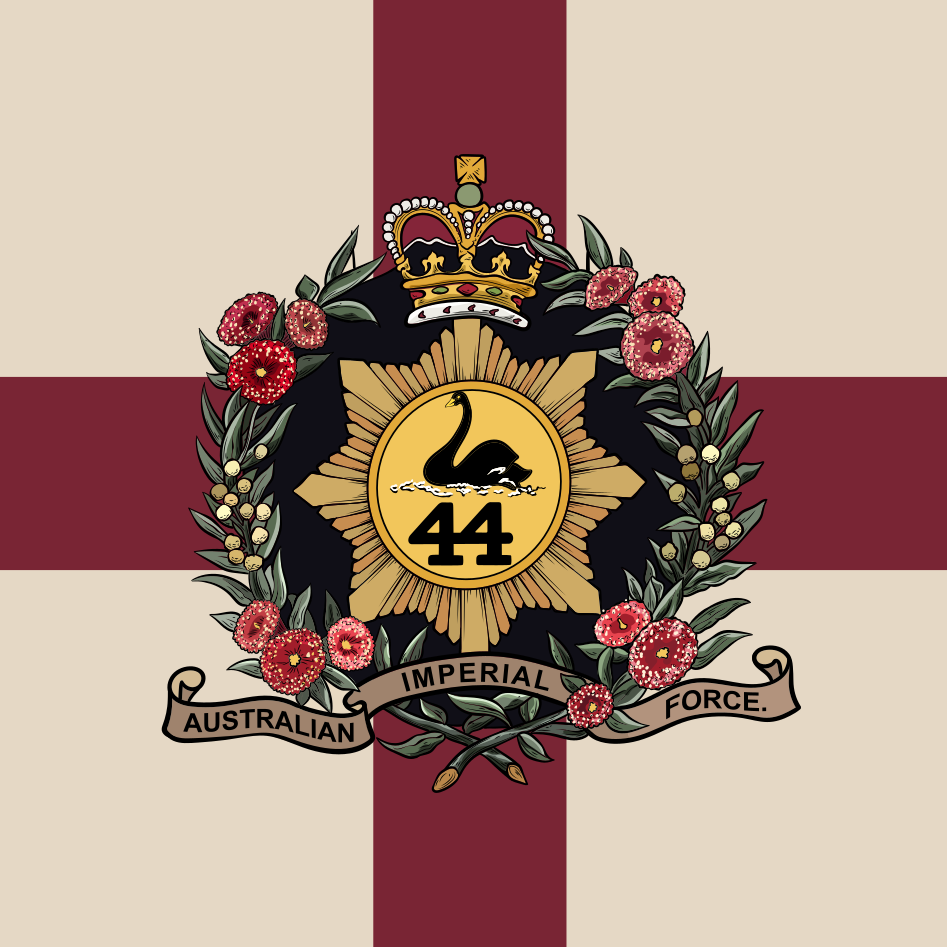

Brække, PTE Einer Oscar
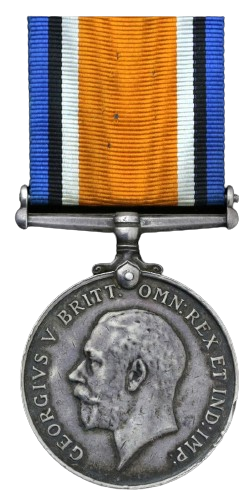
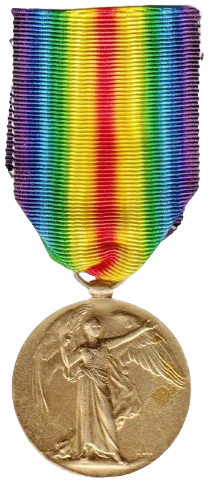
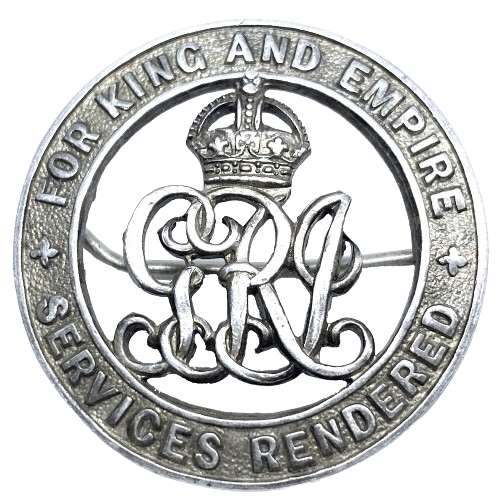
Einer Oscar Brække (1879-1940), timber worker and soldier was born in the small lakside village of Tyristrand, Ringerike, Norway, son of Hans and Maren Brække. He was the eldest child with 5 brothers and 3 sisters. Brække migrated to Western Australia in December 1916 and became a citizen 3 and a half years later in May 1910. He worked as a lumber mill hand at Mornington Mill, northeast of Bunbury and became an active member in the local rifle club.
When war first broke out, Brække attempted to join but was rejected as medically unfit. He tried again and on the 6th of January 1916, was accepted into the Australian Imperial Force at the age of 36 and was posted to A Company, 44th Battalion. He departed for overseas service in June 1916 and arrived at the front lines in November 1916. His service with the 44th Battalion was brief as on the 14th of March 1917, whilst fighting at Armientieres he was shot in the left shoulder. His wounds were so severe that he was medically discharged to Australia.
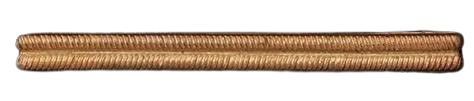
During the war, Brække had fought in 1 battle and spent 109 days in the trenches. He was awarded the British War Medal, Victory Medal, Silver War Badge, Wound Stripe, Active Service Badge and 1 Long Service Stripe. He returned to Western Australia and moved to Allanson near Collie to continue working in the timber industry. In the 1930s he moved around frequently, working on timber mills and the Western Australian Government Railway in Jarrahdale, Jarrahwood and Dwellingup before moving to West Perth, East Victoria Park and Midland Junction.
Brække died on the 22nd of January 1940 at Perth Hospital at the age of 60 due to heart and lung problems. He was buried at Karrakatta Cemetery. For 18 years he had to fight to receive a war pension and did not receive it until he was in his late 50s.
Notes
-Died on the 22nd of January 1940 from aneurism of Aorta and Oedema of Lung, age 60 at Perth Hospital. Buried at Karrakatta Cemetery.
-Enlisted at the Duke of York Coffee Palace in Perth.
-2 days No .2 punishment and 4 days loss of pay due to being AWL for 2 days in camp in England in October 1916.
-Previously tried to join in May 1915 but unable to due to defective veins.
No. 6 State Mill, Worsley, Mill Hand – 1925
Jarrahwood, Mill Hand – 1928-1936
1032 Albany Road, East Victoria Park – 1937
Sources
National Archives of Australia
AIF Project
Southern Times, 11/08/1910, P.3
*Was definitely still living in Mornington by 1914.
Record worked on by: Luca Muir Anderson.
Record completed by: Luca Muir Anderson.